


100 years of protecting people, plants and the planet
Our products and services protect what is valuable, reduce risks, and create a safe environment. We are protectors by nature. That is why we do what we do at Houweling Group. With packaging that protects products and their surroundings, or clothing that keeps the wearer safe at work. With services that save fossil resources, or solutions that stimulate plant growth. And we have been doing this since 1925.
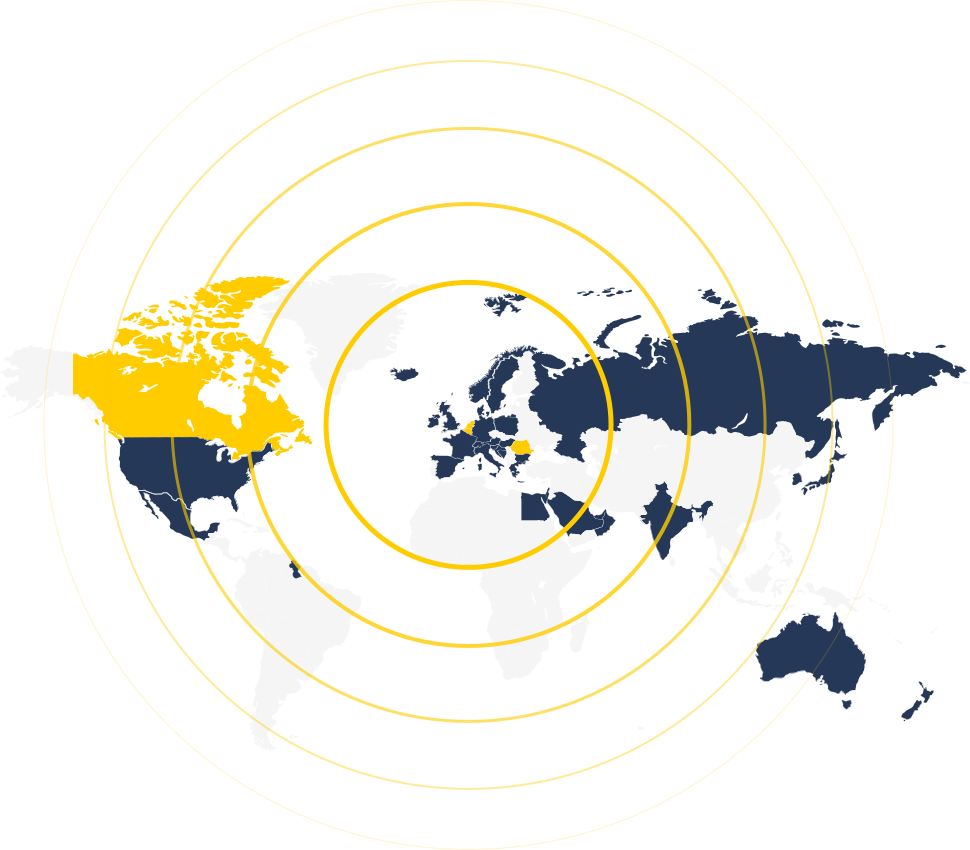
What began in 1925 as a trade in chemical products for greenhouse horticulture has, in one hundred years, grown into a family of companies active in more than thirty countries. With sustainable products and valuable services, Houweling Group protects everything that is of value. In this edition, René Bunnik, Tom Bouwmeester, Jaco de Vries, and Johan van Vulpen share their perspectives on a century of expertise in packaging, safety, and horticulture.
Quality, sustainability, and health & safety
At Houweling Group, sustainability is not about fine words, but about action. People, plants, and products are protected through concrete initiatives that truly make a difference. From reusing packaging and green energy to caring for people and working according to ISO standards.
ISO as a foundation
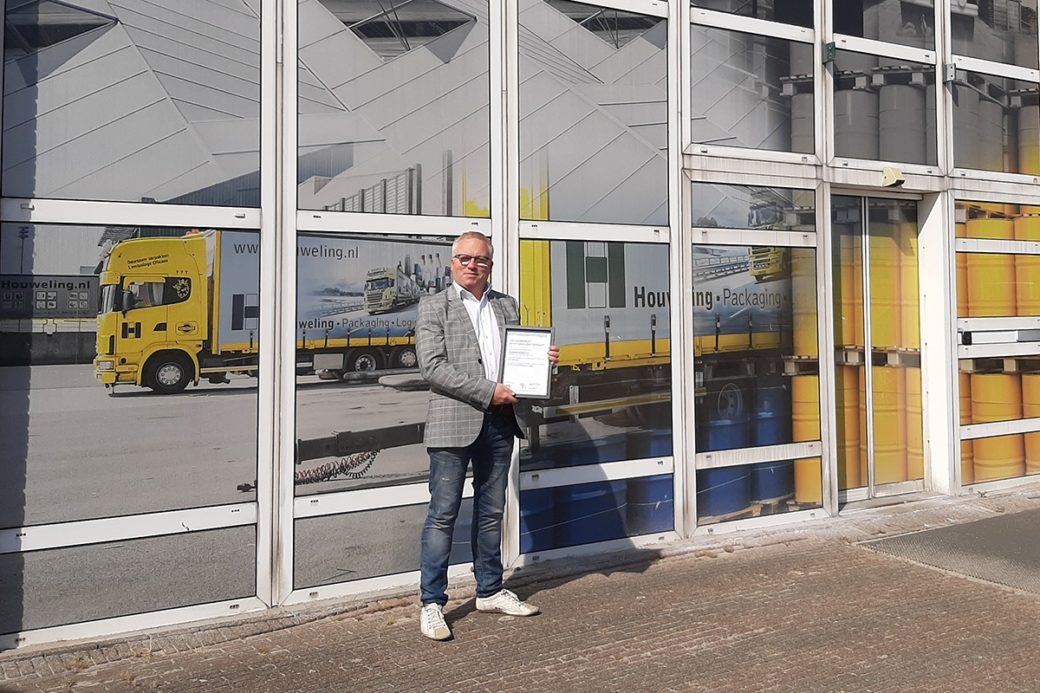
Since 2019, Erik has been working as QSHE Manager at Houweling Group. Together with his team, he guided the company to achieve three ISO certifications at once: quality (9001), environment (14001), and occupational health & safety (45001). “Without any nonconformities. That says something about the ambition here.” For Houweling, ISO is not a formality, but a way to work smarter and more efficiently. “We are fully committed to reuse, green energy, and circular business operations. As a family company, we want to leave something good behind. Not for show, but for the generations after us.”
1925
Foundation
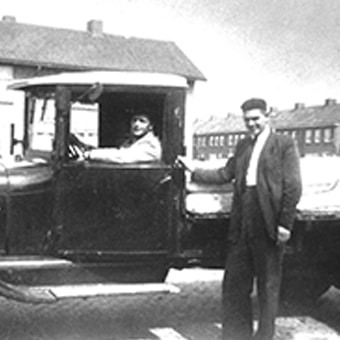
On December 30, 1925, Cor Houweling Sr. from Ouderkerk aan den IJssel registered his company with the Chamber of Commerce. He had developed a product that could be applied to greenhouses to protect crops against sunlight and heat. With this shading agent and the accompanying cleaning product, Cor Houweling — joined from the late 1960s by his son Jan — conquered the Dutch market. In the meantime, due to lack of space, they relocated to new premises in Bergschenhoek.
Growth
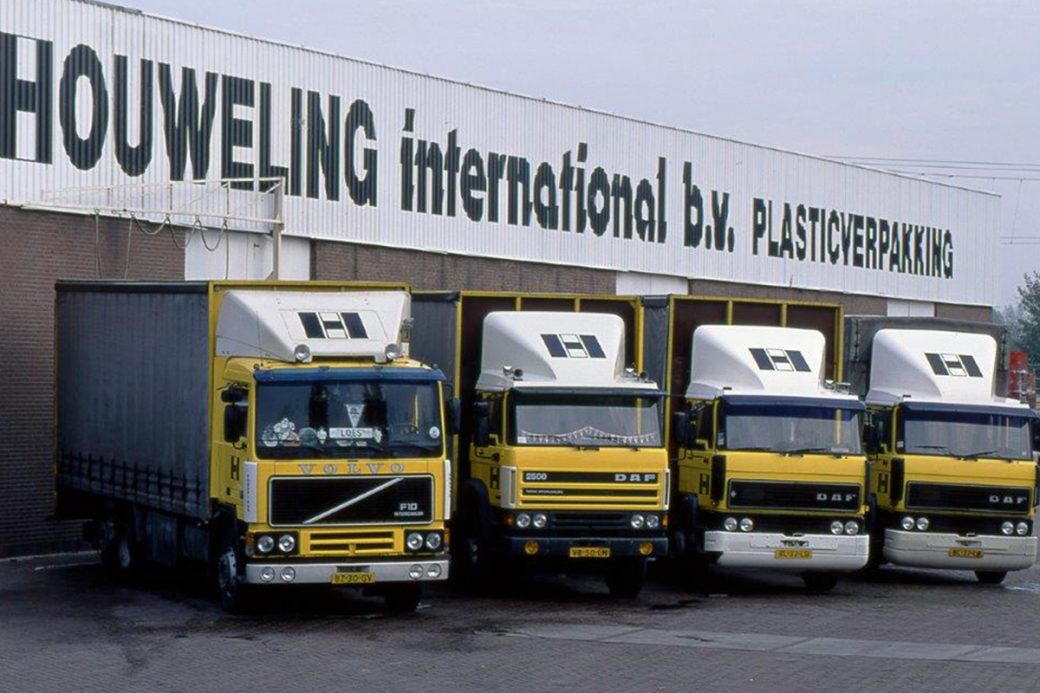
Plastic packaging was used to mix and transport the shading and cleaning products. Houweling took the packaging back, cleaned it, and reused it. In 1980, the company officially expanded into the sale and recycling of packaging. At that time, son Cor Houweling Jr. followed in the footsteps of his father and brother. As the company grew, they relocated from Bergschenhoek to Bleiswijk and later to Berkel en Rodenrijs.
Expansion
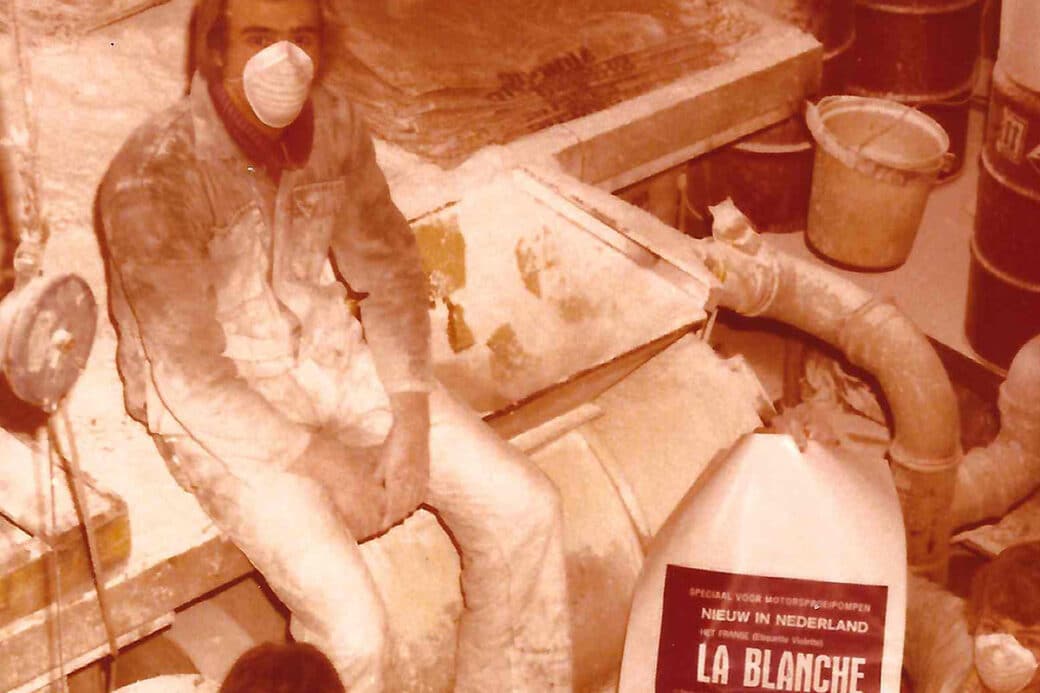
In all business activities, personal protective equipment such as dust masks and gloves was increasingly used. In 1993, a company in Apeldoorn specializing in this field was added to the Houweling organization. Protecting product, plant, and person had now become a complete package. At the same time, we established a second location in the Netherlands. Meanwhile, the shading products were being supplied worldwide.
International
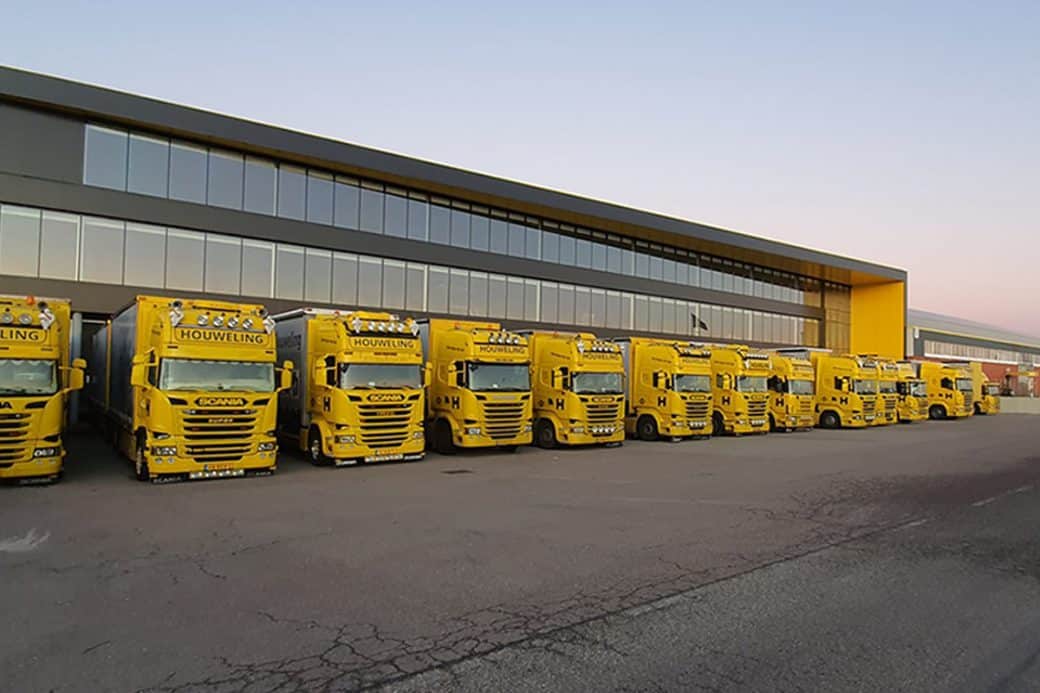
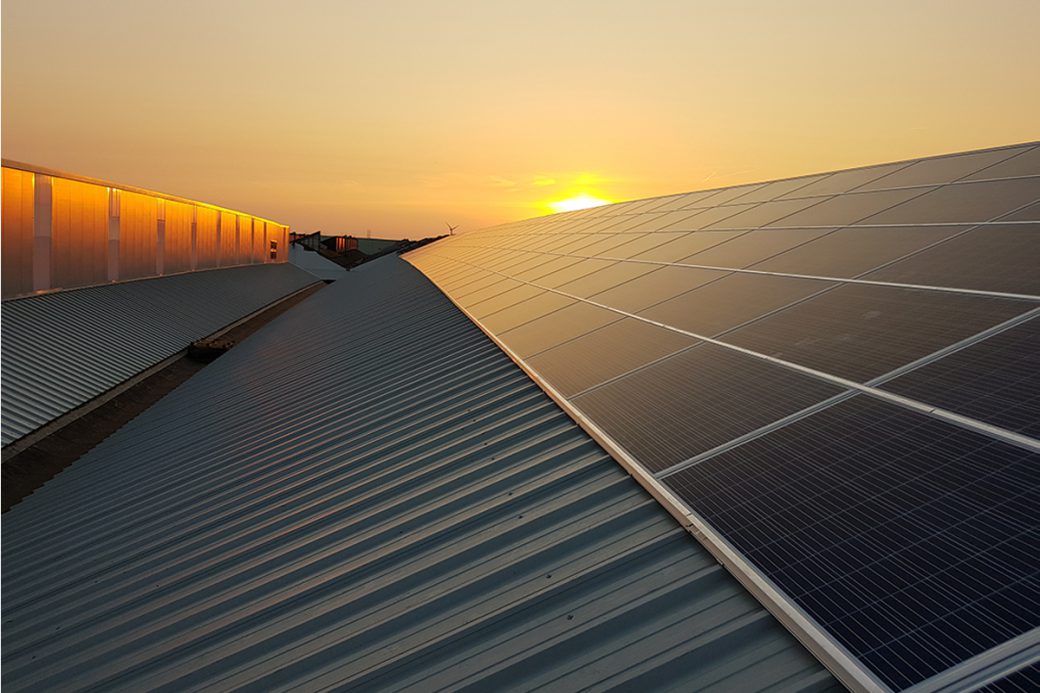
In 2005, we expanded by adding a company from Aarschot, Belgium — also specialized in supplying, collecting, cleaning, and processing packaging — to our organization. In 2010, we exchanged our location in Berkel en Rodenrijs for new premises in Bleiswijk. Between 2018 and 2019, a major renovation was carried out there. With a new office and rooftops full of solar panels, the Houweling Group headquarters is ready for the future.
**In 2025, Houweling Group celebrates its 100th anniversary. With more than 275 employees and operations in 30 countries, Houweling Group has grown into an international company. Every day, our employees are committed to contributing to a sustainable society. We do this with our credo: We Care. We Do. We Fulfill.
It all starts with packaging
René has been working at Houweling Group as Sales Manager since 2019. Before that, he was active in the recycling industry, where he already had regular contact with Houweling. “My impression of the company was always very positive. So when I was approached to join, it didn’t take me long to decide,” René explains.
Houweling’s packaging activities have their roots in horticulture. Initially, the company purchased packaging to transport cleaning and shading products. In the 1980s, during the economic crisis, the idea arose to take back used packaging and reuse it. This laid the foundation for what would later become Houweling Reco Service. An important step followed when long-term partner Stelioplast identified new opportunities in the broader packaging market. This marked the start of the structural sale of new packaging, which has since become a core activity. Sustainability has been the common thread within the company. “As a distributor, we bring a lot of plastic to the market. Our goal is to keep that plastic in the cycle for as long as possible.”
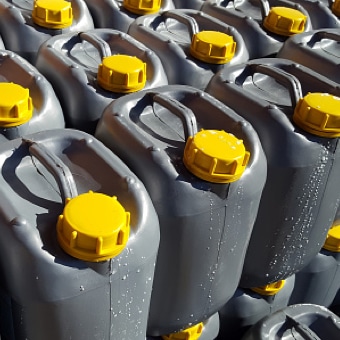
In 2015, Houweling took a bag of recycled plastic to a jerrycan manufacturer in Germany with the question: can you do something with this? At first, the market was hesitant, but thanks to technical expertise and perseverance, Houweling developed a functional jerrycan made of recycled material. In 2017, the first customer began using the product. “It shows how, through innovation and commitment, we continuously take new steps without losing sight of our origins.”
Safety in the workplace
Tom has been leading the Safety business unit from Apeldoorn for 12 years. “I’ve been working here for more than twenty years and I’ve never once gone to work reluctantly,” he says. Together with a close-knit team of about ten colleagues, all from the region, he serves customers across the country.
From the 1990s onwards, safety became an increasingly important part of the organization. In 1993, the Safety business unit was added to Houweling Group. “That was really the start of safety within the group,” Tom explains. “At that time, we mainly supplied the agricultural sector with products such as glasses, masks, and gloves. Later, safety shoes and workwear were added, and our customer base also grew: from agriculture to chemicals, and from pharma to logistics. Suddenly, we were able to serve almost every sector.”
Today, we represent more than seventy brands across many product groups. This enables us to deliver everywhere and always have something suitable for each customer. And just as important: we can provide independent advice. That is real added value.
Tom explains that safety products are not naturally perceived as pleasant. “So we make sure they are as comfortable as possible. What once started as a separate branch is now fully integrated into the organization. Even packaging representatives include safety as a standard part of their story.” By now, Houweling not only supplies safety products, but also training, consultancy, and maintenance in the field of safety. “We provide complete safety solutions. We train and service respiratory protection ourselves. And that total package? That’s unique. No one combines it the way we do.”
Horticulture at the heart
Jaco works at Houweling Group as Director Horticulture. “I lead the Horticulture Group, which includes Houweling Horticulture BV, Deruned BV, Houweling Romania, and Houweling Americas,” he explains. Horticulture has been an important domain for Houweling since the very beginning. What started with chalk products to protect greenhouses against sunlight soon expanded. Because the chalk had to be removed from the greenhouse roofs in autumn, cleaning products were also added to the portfolio.
In 2005, Houweling acquired its own mine in Romania for calcium carbonate, the basis for chalk. Two years later, a factory followed. “Since then, we’ve been producing our shading agents ourselves,” says Jaco. While the Netherlands shifted to liquid products, Houweling continued to focus on powder, particularly popular in regions around the Mediterranean. At the same time, the company kept looking ahead. “Ten years ago, we began developing a sustainable liquid alternative. In 2023, during GreenTech in Amsterdam, we launched the first biodegradable shading agent without microplastics.”
The organization is also steadily growing internationally. In 2019, Houweling Americas was launched, initially in collaboration with Dutch Plantin, focused on coco substrate. “Our ambitions were somewhat higher, so after two years we continued independently.” Today, Houweling Americas has two locations and its own sales team. In 2023, an employee in Spain joined to further develop the market.
The product range continues to expand. “We both protect and stimulate plant growth, with a strong focus on sustainability. Think of biostimulants, natural crop protection through Deruned, hygiene products, and cleaning & water treatment solutions,” Jaco adds.
Sourcing for a sustainable supply chain
In 2017, Johan made the move to Houweling Group from the food industry. There, he guided packaging from the drawing board to production and was responsible for quality and ISO. “I brought those experiences with me to Houweling, where I started as head of the purchasing department,” Johan explains. His knowledge and expertise ensured that purchasing was immediately linked to safeguarding quality and continuous improvement.
In the years that followed, purchasing evolved from an operational to a strategic function. Collaboration both within and outside the organization has taken on an increasingly prominent role. “We have an incredible amount of disciplines within our group. The challenge is to connect that knowledge, so that we can continue to grow as an organization across the board,” Johan says. Houweling has been a frontrunner in sustainable procurement and closing loops for years. “We collect used packaging from customers and deliver it directly to producers for reuse. That way, we keep the chain short — and that’s still quite unique.” Today, the focus of purchasing is shifting more and more towards impact.
“It’s no longer just about price and availability,” Johan concludes. “We actively look at local production, CO₂ reduction, and supply chain collaboration. That short chain leads to better quality, better traceability, and more sustainability.”